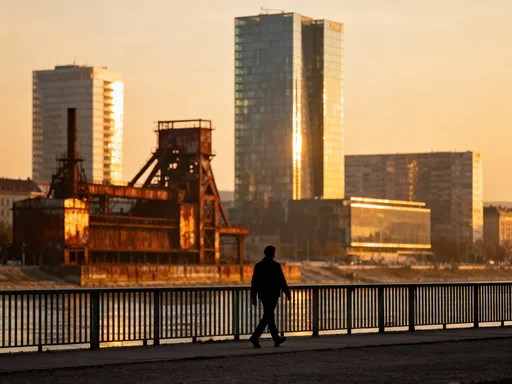
Linz, Austria, is so much more than a quiet city along the Danube. I went in expecting charm — I left utterly amazed. From interactive art that lights up the night to riverside adventures you won’t find in any guidebook, Linz delivers unexpected thrills at every turn. It’s a place where culture pulses through repurposed industrial spaces and hidden courtyards whisper stories of old Europe. If you’re chasing real moments over tourist traps, this is your sign. Linz doesn’t shout for attention, but those who pause to listen discover a rhythm all its own — one that blends tradition with innovation, serenity with creativity, and history with forward motion. This is not just a stopover. This is a destination worth savoring.
Linz often plays second fiddle in conversations about Austrian travel. While Vienna dazzles with imperial grandeur and Salzburg sings with alpine charm, Linz unfolds quietly, revealing its character to those willing to look closer. Nestled along the northern bank of the Danube, Austria’s third-largest city carries a legacy of steel and industry, yet today it thrives as a hub of culture, innovation, and green urban living. Once known primarily for its factories and freight routes, Linz has reimagined itself with remarkable vision, transforming old industrial zones into vibrant cultural districts without losing its grounded, approachable spirit.
What sets Linz apart is its balance — between past and future, urban energy and riverside calm, accessibility and authenticity. The skyline tells this story clearly: Gothic steeples rise beside sleek glass towers, while the historic Hauptplatz, one of the largest medieval squares in Austria, bustles with open-air markets and seasonal festivals. Just beyond, the Postlingberg hill watches over the city like a guardian, its forested slopes offering trails, views, and a centuries-old pilgrimage church. This blend of elements makes Linz not just livable, but deeply human — a city where residents walk their dogs along tree-lined avenues, cyclists glide effortlessly from neighborhood to neighborhood, and visitors are greeted not with spectacle, but with sincerity.
For travelers in their 30s to 50s — particularly women who value meaningful experiences, cultural depth, and ease of navigation — Linz offers a refreshing alternative to more crowded destinations. It’s safe, walkable, and refreshingly free of pretense. You won’t find long lines at major attractions or aggressive vendors in the streets. Instead, you’ll encounter warm smiles, well-maintained public spaces, and a pace that allows you to breathe. Whether you're traveling solo, with a partner, or on a family trip, Linz provides a backdrop where discovery feels natural, not forced. It’s a city that rewards curiosity and invites you to slow down, look closely, and connect.
If there’s one place that captures Linz’s spirit of reinvention, it’s the Ars Electronica Center, often called the “Museum of the Future.” Located on the banks of the Danube, this striking building — with its silver, spaceship-like exterior — is home to one of Europe’s most forward-thinking institutions dedicated to the intersection of art, technology, and society. Since its founding in the 1970s, it has grown into a global leader in digital culture, hosting the annual Ars Electronica Festival, which draws innovators, artists, and thinkers from around the world.
Inside, the experience is immersive and interactive. Exhibits are not meant to be observed from a distance but touched, manipulated, and explored. Children laugh as they trigger soundscapes with motion, while adults pause in wonder before holographic installations that seem to float in midair. One exhibit might explore artificial intelligence through poetic storytelling, while another invites visitors to co-create digital murals using gesture-based controls. The museum doesn’t require technical expertise — only openness and a sense of play. It’s a place where science feels magical and creativity feels scientific, making it ideal for visitors of all ages, including families and curious adults seeking intellectual stimulation.
Outside, the building comes alive at night. The Media Tower, a 15-meter-high glass structure covered in LED panels, transforms into a canvas for digital art. Animated visuals ripple across its surface, responding to sound, weather, or live data streams. During special events, the entire Danube promenade becomes part of the display, with projections dancing across the riverfront. This fusion of art and technology isn’t just spectacle — it’s a statement about how Linz sees itself: as a city that embraces change while remaining rooted in human values. For travelers, a visit here isn’t just educational; it’s inspiring, reminding us that progress doesn’t have to feel cold or impersonal — it can be beautiful, emotional, and deeply engaging.
One of the most delightful ways to experience Linz is on foot — or by bike — along the Danube Promenade. Stretching for kilometers along the riverbank, this well-maintained path connects parks, cultural venues, cafes, and public art installations, offering a seamless blend of recreation and urban life. Morning joggers pass kayakers gliding across the water, while families spread blankets on the grass to enjoy picnics with a view. Benches line the path, inviting pauses to watch the river flow or observe the comings and goings of swans, ducks, and the occasional heron.
The promenade is more than just a scenic route — it’s a living part of the city’s identity. In spring and summer, open-air concerts fill the air with music, from classical ensembles to jazz trios. The annual Danube Marathon brings runners from across Europe, while outdoor fitness classes and yoga sessions draw locals looking to stay active in nature. Even in autumn, when the trees turn golden and the air grows crisp, the path remains popular, its wide lanes accommodating walkers, cyclists, and rollerbladers with ease. Benches are sheltered, lighting is thoughtful, and signage is clear — small details that reflect Linz’s commitment to thoughtful urban design.
What makes the Danube Promenade especially appealing to adult travelers is its sense of calm. Unlike busier riverfronts in larger cities, this stretch feels unhurried and uncluttered. There are no souvenir stalls or crowded tour boats — just space, light, and the gentle rhythm of water. You can walk for an hour without seeing a single advertisement. Along the way, you’ll pass modern sculptures, interactive fountains, and small plazas where street performers occasionally play violin or accordion. It’s the kind of place where you can clear your mind, recharge your spirit, and feel fully present. For women traveling alone or seeking peaceful moments during a family trip, this riverside sanctuary offers both safety and serenity.
Beneath the orderly streets of Linz’s Old Town lies a network of hidden courtyards — quiet, ivy-covered spaces tucked behind unmarked doors and narrow passageways. These Innenhöfe, or inner courtyards, are remnants of centuries-old residential complexes, many dating back to the Baroque period. Once used for storage or stables, they’ve been lovingly restored and repurposed into intimate cultural spaces: small art galleries, boutique shops, wine taverns, and even private event venues. Finding them feels like uncovering secrets — each one a pocket of stillness amid the city’s gentle bustle.
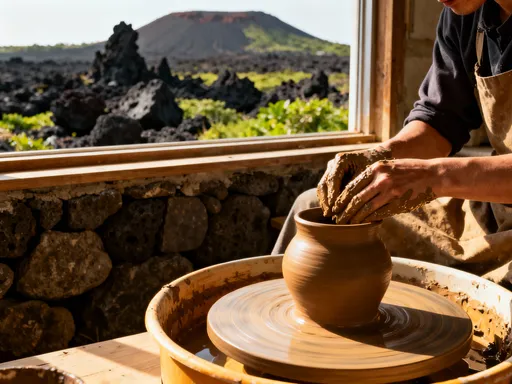
One moment you’re walking down a quiet street, and the next, you push open a weathered wooden door to find a sun-dappled courtyard where a jazz quartet plays softly under a trellis of grapevines. Another might house a ceramicist’s studio, where hand-thrown mugs and vases sit on shelves beside a tiny coffee bar. These spaces are not designed for mass tourism — they thrive on word-of-mouth, local patronage, and the joy of discovery. They reflect Linz’s creative heart: understated, authentic, and deeply personal.
For travelers who appreciate craftsmanship, local artistry, and quiet moments of connection, these courtyards offer some of the city’s most memorable experiences. You might sip a glass of white wine from a nearby vineyard in a candlelit Heuriger (a traditional Austrian wine tavern), listening to live folk music with a small group of locals. Or you might browse handmade jewelry in a converted carriage house, chatting with the artist about her inspiration. These interactions aren’t staged — they’re real, unfolding naturally in spaces that value slowness and authenticity. In a world of curated travel experiences, Linz’s hidden courtyards remind us that some of the best moments happen when we wander without a plan and allow ourselves to be surprised.
No visit to Linz is complete without a journey to Pöstlingberg, the forested hill that rises 270 meters above the city. The ascent itself is an experience — via the Pöstlingbergbahn, a charming yellow tram that has been climbing the steep slope since 1898. At a gradient of up to 11.6%, it holds the distinction of being one of the steepest adhesion railways in the world — meaning it runs on standard rails without a cog system. The ride is slow and scenic, winding through residential neighborhoods, gardens, and tunnels carved into the rock, offering glimpses of the city below with each passing curve.
At the summit, the view is breathtaking. On a clear day, you can see across the Danube Valley, with the river winding like a ribbon through patchwork fields and distant hills. But the real magic lies in what’s waiting at the top. The Grottenbahn, a whimsical cave railway ride built in the 1930s, takes visitors through a series of illuminated tunnels featuring religious scenes, fairy tale dioramas, and geological wonders. It’s charmingly old-fashioned — the kind of attraction that feels like a gift from another era, full of innocence and imagination. Children giggle at the moving figures, while adults smile at the nostalgia.
Adjacent to the Grottenbahn is the Pilgrimage Church of Notre-Dame du Linz, a Baroque masterpiece with a striking green dome and twin towers. Pilgrims have been coming here for over 300 years, drawn by the legend of a miraculous statue of the Virgin Mary. The interior is richly decorated, with frescoes, gilded altars, and soft candlelight creating a reverent atmosphere. Whether you’re religious or not, the church offers a moment of peace and reflection, its silence a contrast to the lively energy of the surrounding attractions. For families, couples, or solo travelers, Pöstlingberg delivers a full sensory experience — panoramic views, history, nature, and a touch of enchantment — all within a short, accessible trip from the city center.
Linz’s food scene is a quiet revelation — not flashy, but deeply satisfying. It honors Austrian culinary traditions while embracing modern influences, creating a dining culture that feels both comforting and contemporary. At the heart of it are the Heurigen, family-run wine taverns found on the outskirts of the city, particularly in the vineyard-covered hills of Kleinmünchen and Eidenberg. These rustic inns serve young, locally produced wines — often white varieties like Grüner Veltliner or Welschriesling — paired with simple, hearty dishes: cold cuts, pickled vegetables, fresh bread, and homemade spreads. The atmosphere is warm and informal, often with long wooden tables and flower-filled window boxes.
Within the city, a new generation of chefs is reimagining regional ingredients with creativity and care. Modern bistros offer dishes like smoked trout with beetroot puree, venison with forest mushrooms, or Linzer Torte reinterpreted with almond crumble and seasonal berries. Many restaurants emphasize seasonal menus, sourcing ingredients from local farms and markets. The weekly farmers’ market at Hauptplatz is a highlight, where vendors sell fresh produce, artisanal cheeses, baked goods, and organic honey. It’s the kind of place where you can assemble a perfect picnic — a crusty loaf, a wedge of aged cheese, a jar of plum jam, and a bunch of seasonal flowers — then carry it to the Danube for an unforgettable al fresco lunch.
For coffee lovers, Linz’s café culture is thriving. Independent roasters serve expertly brewed pour-overs and velvety flat whites in minimalist spaces with natural wood accents and plants. Pair your drink with a slice of Linzer Torte — the city’s most famous dessert, a buttery, nut-filled tart with a lattice top and a dusting of powdered sugar. Legend says it’s the oldest known cake recipe in Europe, and tasting it in Linz feels like connecting with history. Whether you’re enjoying a quiet morning coffee, a long lunch with friends, or a glass of red wine as the sun sets over the river, Linz’s culinary offerings nourish both body and soul.
Linz challenges the way we think about Austrian travel. It doesn’t rely on fairy-tale castles or alpine postcards — instead, it offers something quieter, deeper, and ultimately more rewarding: authenticity. It’s a city that doesn’t perform for tourists but simply lives its life with grace, creativity, and warmth. Here, culture isn’t locked behind velvet ropes — it’s in the streets, the courtyards, the riverbanks, and the conversations over wine. Innovation isn’t cold or corporate — it’s playful, human-centered, and accessible. And beauty isn’t just in the sights — it’s in the rhythm of daily life, the kindness of strangers, and the joy of unexpected discoveries.
For women in their 30s to 50s — whether navigating midlife transitions, seeking meaningful travel, or simply craving a break from the ordinary — Linz offers a restorative experience. It’s safe, easy to navigate, and rich in cultural depth. You can spend a morning exploring digital art, an afternoon wandering hidden courtyards, and an evening sipping wine with a view of the Danube — all without feeling rushed or overwhelmed. There’s space here to breathe, to reflect, to reconnect with what matters.
More than that, Linz reminds us that travel isn’t just about checking off landmarks — it’s about opening ourselves to new rhythms, new ideas, and new ways of being. It’s about choosing destinations that surprise us, challenge our assumptions, and leave us changed. Linz may not be on every itinerary, but for those who take the time to explore it, it becomes unforgettable. So if you’re ready to step off the beaten path — not into the wilderness, but into a city that blends heritage and innovation with quiet confidence — let Linz be your next destination. Because sometimes, the most beautiful journeys begin not with a roar, but with a whisper.
By Rebecca Stewart/Dec 7, 2025
By Lily Simpson/Dec 7, 2025

By Grace Cox/Dec 7, 2025
By James Moore/Dec 7, 2025
By Sarah Davis/Dec 7, 2025
By Benjamin Evans/Dec 7, 2025

By Benjamin Evans/Dec 7, 2025

By Ryan Martin/Dec 7, 2025

By Victoria Gonzalez/Dec 7, 2025
By Jessica Lee/Dec 7, 2025
By Eric Ward/Dec 7, 2025

By Daniel Scott/Dec 7, 2025

By Jessica Lee/Dec 7, 2025

By Emily Johnson/Dec 7, 2025

By Sophia Lewis/Dec 7, 2025

By Christopher Harris/Dec 7, 2025
By Benjamin Evans/Dec 7, 2025
By Laura Wilson/Dec 7, 2025
By Olivia Reed/Dec 7, 2025
By Natalie Campbell/Dec 7, 2025
